Science
Please click below to find out more about James Brindley Academy’s Science Curriculum.
Gateway Combined Science A – J250 (OCR)
OCR Gateway Biology A – J247 (OCR)
AQA Entry Level Certificate Science – 5960 (AQA)
Outside of the teaching centres, home school exam board content is delivered
- At Key Stages 1 and 2, Science is delivered by trained primary staff across our school sectors as part of a larger holistic curriculum.
- At Key Stage 3 our stage not age curriculum allows teachers to identify gaps in knowledge and pupils to revisit core concepts and embed learning ready for Key Stage 4.
- At Key Stage 4 we have identified a range of courses that we feel are an appropriate fit for James Brindley pupils. Within the context of the curriculum pupils are encouraged to be inquisitive, and teachers make time to answer questions that pupils may have about their own areas of interests in science.
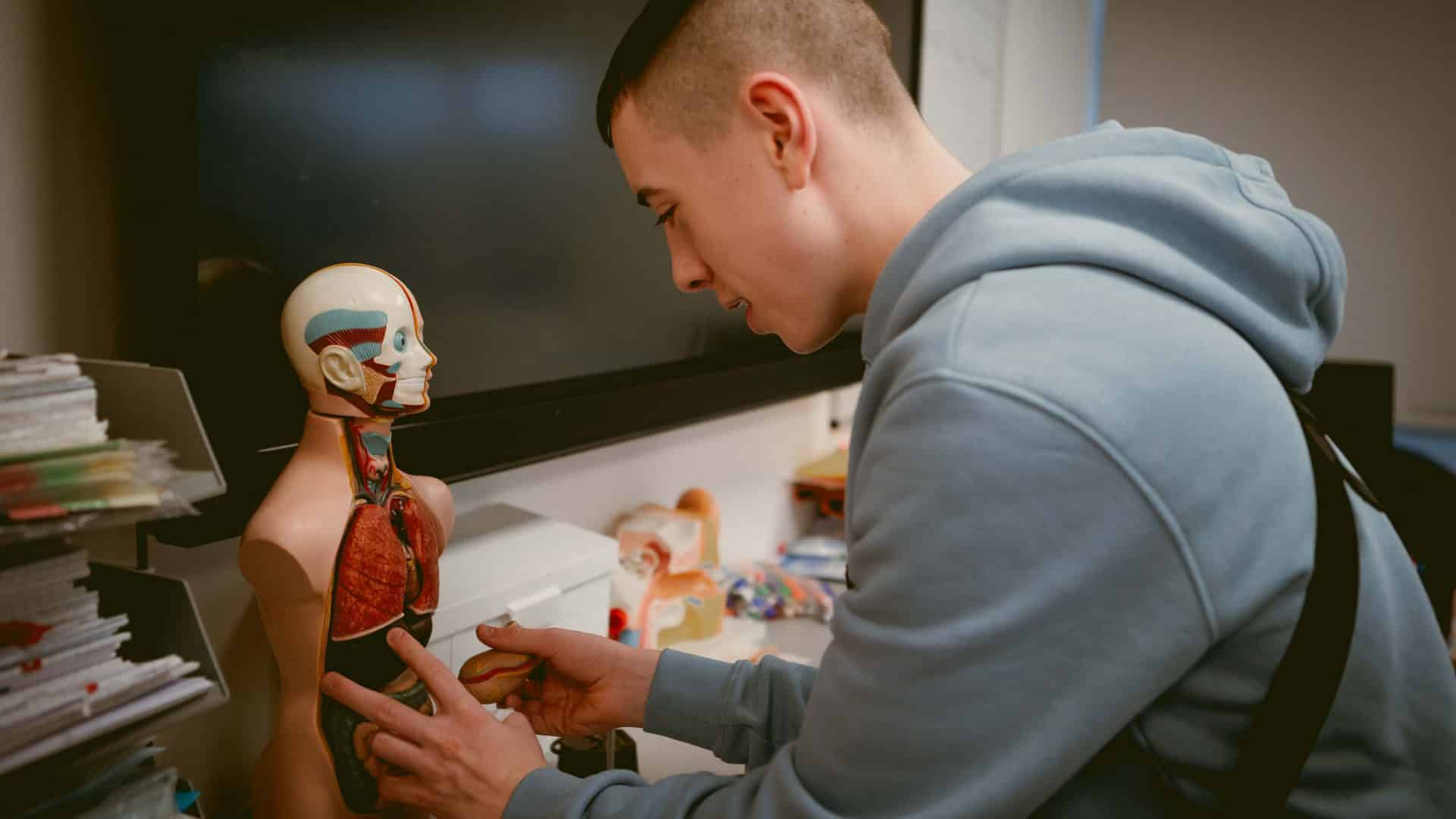
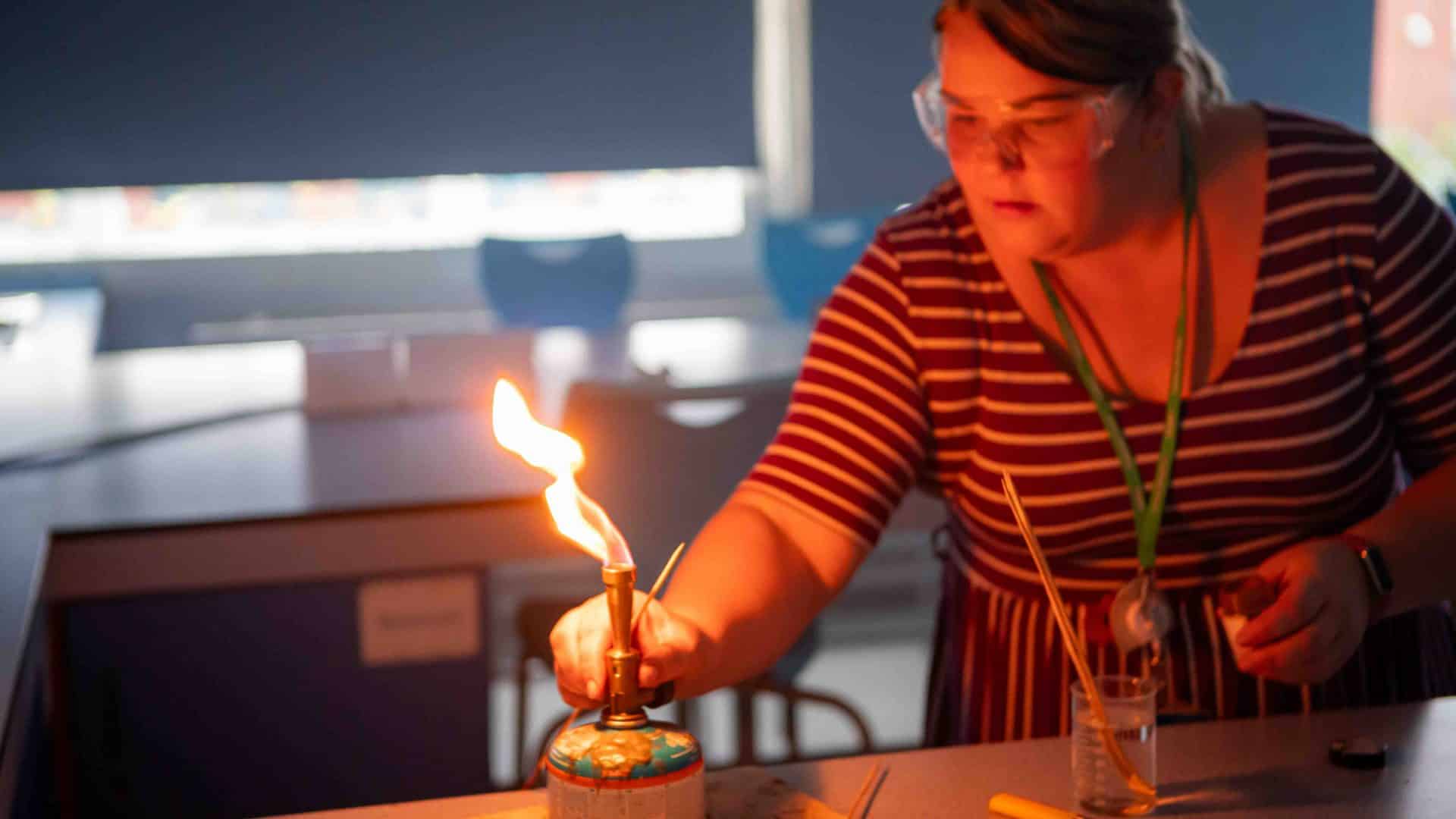
Within our hospitals and short-term provision settings, we focus on core concepts that underpin understanding within the science curriculum. Lessons are bespoke to enhance engagement and learning and include practical aspects where possible to ensure progress can continue to be made in this setting.
Our pedagogy is underpinned by:
- the regular use of live modelling and exemplar texts to demonstrate processes, standards and expectations
- a range of strategies to deepen knowledge so that it is committed to long term memory
- Marking and targeted feedback that informs planning and addresses misconceptions.
- Assessments and timely intervention.
- Using errors as a learning opportunity and building resilience.
We are continually assessing the courses that we have on offer for our pupils, to ensure they are accessible, rigorous and offer pupils the best chance of success.
We want all pupils to aim high and everyone should have the opportunity to access a full combined Science GCSE. There are single GCSE science qualifications available should a more appropriate pathway be required for certain pupils.
We encourage a dynamic approach to science education by promoting hands-on learning, real-world applications, and cross-disciplinary integration.
We foster curiosity and critical thinking skills, emphasising that mistakes are valuable learning opportunities.
These strategies aim to create an engaging, holistic, and adaptable science education that inspires pupils to think creatively and critically about the world around them
Initial baseline assessments are used to identify gaps in knowledge leading to more personalised learning programmes.
Regular, ongoing assessment takes place throughout the year in a number of topics which pupils have studied. In lessons, assessments such as mini-quizzes and exam questions, are used to identify gaps in learning as these arise and provide reflection for independent study and revision.
This will allow for any gaps in understanding to be easily identified and will also help pupils to move knowledge to their long-term memory and take ownership of their learning.
Each topic is linked to information with a range of career opportunities that pupils will be encouraged to evaluate.
Pupils will assess the connection between learning in the classroom and real-world jobs across a range of sectors.
Time will be given to develop areas of interest and further support career opportunities outside of the classroom such as engaging with external speakers and our specialist careers team.
STEAM activities support students to link their learning in the classroom to practical skills and see the real world applications of science, technology, mathematics and the arts.
Science links directly to a range of careers as diverse as:
- Nursing:
- Salary Range: Generally from £24,000 to £40,000 per year for registered nurses, with the potential for higher earnings for specialized roles, experience, and additional qualifications.
- Farming:
- Salary Range: Income in farming can vary significantly based on farm size, type of agriculture, and ownership. Average salaries for farmworkers might range from around £18,000 to £25,000 per year.
- Medical Research:
- Salary Range: Typically between £25,000 to £40,000 per year for research assistants or scientists, with more experienced researchers earning from £40,000 to £70,000 or more per year.
- Forensics:
- Salary Range: Forensic scientists might earn between £24,000 to £45,000 per year, with higher salaries for experienced forensic experts or those in managerial positions.
- Botany:
- Salary Range: Botanists might earn from around £25,000 to £40,000 per year, varying based on experience, employer (research institutions, conservation organizations, etc.), and specific roles.
- Catering:
- Salary Range: Varies widely based on positions. Chefs might earn from £20,000 to £40,000 or more per year, while catering assistants or kitchen staff might earn around £18,000 to £25,000 annually.
- Construction:
- Salary Range: Construction workers’ salaries can vary greatly depending on roles and experience. Entry-level positions might start around £20,000 to £25,000 per year, with skilled tradespeople earning from £30,000 to £50,000 or more annually.
- Physiotherapy:
- Salary Range: Typically between £24,000 to £35,000 per year for junior or entry-level physiotherapists. Experienced physiotherapists might earn from £35,000 to £45,000 or more per year.
These salary approximations are based on industry standards and might differ based on factors such as experience, qualifications, location, specific job responsibilities, and employer structures within these fields.
Curriculum Intent
Intent
Science is a fundamental part of the James Brindley curriculum, delivering scientific challenge and rigour whilst equipping our young people with the skills to think critically, questioning others and themselves without fear of judgment. Our aim is to nurture our young people’s natural curiosity and to ignite a passion to understand and improve the world around them no matter what the individual needs of the learner may be.
We have developed a science curriculum that is ambitious and aspirational, irrespective of individual starting points or academic goals. Our thrive informed curriculum aims to equip learners with an understanding that Science is all around us in the world, and that what we learn has real life implications and possibilities. The curriculum is adapted to support the wide range of SEND needs that our pupils exhibit to allow them to access and engage with the content that is delivered. In our teaching centres at key stage 3 we deliver core scientific concepts that underpin our understanding of the subject, enabling our young people to make progress as they move through the school. Concepts are revisited throughout the key stage to ensure coverage regardless of a young person’s starting point.
In our teaching centres, we deliver GCSE Combined Science to those learners able to engage with the additional content to achieve two GCSE grades in science. Where our learners are better suited to a single GCSE course, they can study a biology qualification and can achieve one GCSE grade. Entry level science can be delivered to those who are not able to engage with the GCSE examinations but are able to achieve a science award. Each of the courses develop scientific enquiry, practical and investigative skills through the completion of engaging experiments that deepen understanding of the core concepts. In our SPR and hospital settings, the young persons home school direct the areas of study and James Brindley staff identify and modify the available resources to best support the learner. Where appropriate, SPR teachers may use James Brindley’s prescribed science curriculum.
Implementation
Our inclusive curriculum is delivered via specially designed schemes of work and lesson plans modified from published resources such as Kerboodle. At key stage 3, a spiral curriculum, adapted from Activate, supports a stage not age approach in our teaching centres. This allows core concepts to be revisited to underpin and solidify a young person’s understanding in preparation for progress into key stage 4. At key stage 4, the OCR gateway science combined, biology or AQA entry level science courses are underpinned by long term plans supported by a range of resources. All curriculum pathways develop our young person’s scientific knowledge and their application of this to new contexts and the world around them. We ensure that the resources used to support our teaching are adaptive to the needs of the learners and, along with additional support of teaching assistants, offer opportunities for our young people to feel safe and flourish. Content is adapted to align with the interests of our learners and identify examples of relevant science in everyday life. Recall of past learning is woven throughout the curriculum to support learners to retain information and make links between different topics. We have a strong focus on scientific literacy and use of vocabulary to support our young people to develop their use of the language of science. Learners are encouraged to use glossaries to support them to move from using everyday language to technical language where appropriate. At the end of a topic, formative assessments are used to identify gaps in knowledge and allow timely interventions to be put in place. Staff are supported with continued professional development including training on science disciplinary literacy, exam preparation and health and safety.
Impact
The success of the curriculum is measured by learner attainment in their respective qualifications with progress tracked from their initial baseline upon entry to their final outcomes. On a broader scale, we look at our young people’s ability to respond to science in everyday life and make informed and ethical choices rooted in knowledge and understanding. We monitor the engagement of our young people during lessons and adapt our approach accordingly.
A high-quality science education provides the foundations for understanding the world through the specific disciplines of biology, chemistry and physics. Science has changed our lives and is vital to the world’s future prosperity, and all pupils should be taught essential aspects of the knowledge, methods, processes and uses of science. Through building up a body of key foundational knowledge and concepts, pupils should be encouraged to recognise the power of rational explanation and develop a sense of excitement and curiosity about natural phenomena. They should be encouraged to understand how science can be used to explain what is occurring, predict how things will behave, and analyse causes.
Implementation
Our inclusive curriculum is delivered via specially designed schemes of work and lesson plans modified from published resources such as Kerboodle. At key stage 3, a spiral curriculum, adapted from Activate, supports a stage not age approach in our teaching centres. This allows core concepts to be revisited to underpin and solidify a young person’s understanding in preparation for progress into key stage 4. At key stage 4, the OCR gateway science combined, biology or AQA entry level science courses are underpinned by long term plans supported by a range of resources. All curriculum pathways develop our young person’s scientific knowledge and their application of this to new contexts and the world around them. We ensure that the resources used to support our teaching are adaptive to the needs of the learners and, along with additional support of teaching assistants, offer opportunities for our young people to feel safe and flourish. Content is adapted to align with the interests of our learners and identify examples of relevant science in everyday life. Recall of past learning is woven throughout the curriculum to support learners to retain information and make links between different topics. We have a strong focus on scientific literacy and use of vocabulary to support our young people to develop their use of the language of science. Learners are encouraged to use glossaries to support them to move from using everyday language to technical language where appropriate. At the end of a topic, formative assessments are used to identify gaps in knowledge and allow timely interventions to be put in place. Staff are supported with continued professional development including training on science disciplinary literacy, exam preparation and health and safety.
Impact
The success of the curriculum is measured by learner attainment in their respective qualifications with progress tracked from their initial baseline upon entry to their final outcomes. On a broader scale, we look at our young people’s ability to respond to science in everyday life and make informed and ethical choices rooted in knowledge and understanding. We monitor the engagement of our young people during lessons and adapt our approach accordingly.
At Key Stage 3 we aim to ensure that:
- Pupils develop scientific knowledge and conceptual understanding through the specific disciplines of biology, chemistry and physics.
- Pupils develop understanding of the nature, processes and methods of science through different types of science enquiries that help them to answer scientific questions about the world around them.
- Pupils are equipped with the scientific knowledge required to understand the uses and implications of science, today and for the future.
While it is important that pupils make progress, it is also vitally important that they develop secure understanding of each key block of knowledge and concepts in order to progress to the next stage.
For some pupils, studying the sciences in key stage 4 provides the platform for more advanced studies, establishing the basis for a wide range of careers. For others, it will be their last formal study of subjects that provide the foundations for understanding the natural world and will enhance their lives in an increasingly technological society.
Science is changing our lives and is vital to the world’s future prosperity, and all students should be taught essential aspects of the knowledge, methods, processes and uses of science. They should be helped to appreciate the achievements of science in showing how the complex and diverse phenomena of the natural world can be described in terms of a number of key ideas relating to the sciences which are inter-linked, and which are of universal application.
These key ideas include:
- the use of conceptual models and theories to make sense of the observed diversity of natural phenomena
- the assumption that every effect has one or more cause
- that change is driven by interactions between different objects and systems
- that many such interactions occur over a distance and over time
- that science progresses through a cycle of hypothesis, practical experimentation, observation, theory development and review
- that quantitative analysis is a central element both of many theories and of scientific methods of inquiry.
The scope and nature of study is broad, coherent, practical and rigorous, so that pupils are inspired and challenged by the subject and its achievements.